How Podiatrists Diagnose Flat Foot Conditions
- posted: Mar. 26, 2026
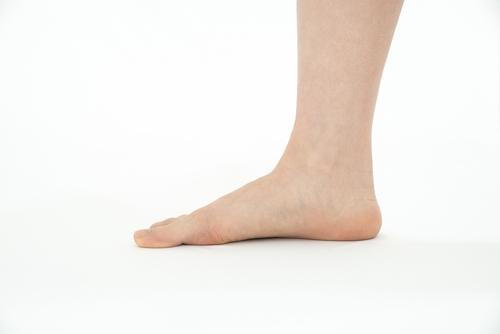
Flat feet are a common structural condition in which the arches of the feet flatten, allowing the entire sole to make contact with the ground. While some individuals experience no symptoms, others develop foot pain, fatigue, or changes in walking mechanics. At Prairie Foot and Ankle, Dr. Supreet Ghuman provides thorough evaluation and diagnosis of flat foot conditions for patients in Elgin and Park Ridge, IL, helping determine the underlying cause and the most appropriate treatment plan.
Understanding Flat Foot Conditions
Flat feet, also called fallen arches, occur when the structures that support the arch do not function properly. This can develop during childhood when the arches fail to form fully, or later in life due to injury, tendon problems, arthritis, or gradual weakening of the foot’s supportive tissues.
When the arch collapses, the foot may roll inward excessively during walking. This altered alignment can place additional strain on the ankles, knees, and lower legs. Over time, the imbalance may lead to discomfort, fatigue, or difficulty with prolonged standing and physical activity.
Physical Examination and Medical History
Diagnosing flat feet begins with a detailed medical history and physical examination. Dr. Supreet Ghuman evaluates symptoms such as pain along the arch, heel, or ankle, as well as any history of injury or changes in foot shape.
During the examination, the structure of the foot is observed both while sitting and while standing. This allows the podiatrist to assess how the arch behaves under body weight and whether the condition appears flexible or rigid. Observing these differences helps guide further diagnostic steps.
Gait and Movement Assessment
A gait analysis is often an important part of diagnosing flat feet. By watching how a patient walks, the podiatrist can evaluate foot alignment, balance, and overall movement patterns.
Excessive inward rolling of the foot, known as overpronation, is commonly associated with flat feet. Identifying these movement patterns helps determine how the condition may be contributing to pain or instability in other areas of the body.
Imaging and Diagnostic Tools
In some cases, imaging studies such as X-rays may be recommended to evaluate bone alignment and joint structure. Imaging can help identify structural changes, arthritis, or tendon problems that may contribute to a flattened arch.
These diagnostic tools allow the podiatrist to better understand the severity of the condition and determine whether conservative treatment or more advanced care may be appropriate.
When to Seek Professional Evaluation
Flat feet do not always cause symptoms, but persistent foot pain, swelling along the inner ankle, or difficulty standing and walking comfortably should be evaluated by a specialist. Early diagnosis allows for treatment options such as supportive footwear, orthotics, strengthening exercises, or other therapies designed to support proper foot function.
At Prairie Foot and Ankle, Dr. Supreet Ghuman provides comprehensive evaluation and personalized care for patients with flat feet in Elgin and Park Ridge, IL. If you are experiencing foot discomfort or concerns about arch support, call (224) 227-6973 to schedule an appointment and receive expert podiatric guidance.
- posted: Mar. 26, 2026
Flat feet are a common structural condition in which the arches of the feet flatten, allowing the entire sole to make contact with the ground. While some individuals experience no symptoms, others develop foot pain, fatigue, or changes in walking mechanics. At Prairie Foot and Ankle, Dr. Supreet Ghuman provides thorough evaluation and diagnosis of flat foot conditions for patients in Elgin and Park Ridge, IL, helping determine the underlying cause and the most appropriate treatment plan.
Understanding Flat Foot Conditions
Flat feet, also called fallen arches, occur when the structures that support the arch do not function properly. This can develop during childhood when the arches fail to form fully, or later in life due to injury, tendon problems, arthritis, or gradual weakening of the foot’s supportive tissues.
When the arch collapses, the foot may roll inward excessively during walking. This altered alignment can place additional strain on the ankles, knees, and lower legs. Over time, the imbalance may lead to discomfort, fatigue, or difficulty with prolonged standing and physical activity.
Physical Examination and Medical History
Diagnosing flat feet begins with a detailed medical history and physical examination. Dr. Supreet Ghuman evaluates symptoms such as pain along the arch, heel, or ankle, as well as any history of injury or changes in foot shape.
During the examination, the structure of the foot is observed both while sitting and while standing. This allows the podiatrist to assess how the arch behaves under body weight and whether the condition appears flexible or rigid. Observing these differences helps guide further diagnostic steps.
Gait and Movement Assessment
A gait analysis is often an important part of diagnosing flat feet. By watching how a patient walks, the podiatrist can evaluate foot alignment, balance, and overall movement patterns.
Excessive inward rolling of the foot, known as overpronation, is commonly associated with flat feet. Identifying these movement patterns helps determine how the condition may be contributing to pain or instability in other areas of the body.
Imaging and Diagnostic Tools
In some cases, imaging studies such as X-rays may be recommended to evaluate bone alignment and joint structure. Imaging can help identify structural changes, arthritis, or tendon problems that may contribute to a flattened arch.
These diagnostic tools allow the podiatrist to better understand the severity of the condition and determine whether conservative treatment or more advanced care may be appropriate.
When to Seek Professional Evaluation
Flat feet do not always cause symptoms, but persistent foot pain, swelling along the inner ankle, or difficulty standing and walking comfortably should be evaluated by a specialist. Early diagnosis allows for treatment options such as supportive footwear, orthotics, strengthening exercises, or other therapies designed to support proper foot function.
At Prairie Foot and Ankle, Dr. Supreet Ghuman provides comprehensive evaluation and personalized care for patients with flat feet in Elgin and Park Ridge, IL. If you are experiencing foot discomfort or concerns about arch support, call (224) 227-6973 to schedule an appointment and receive expert podiatric guidance.
Our Location
Find us on the map
