Tips for Avoiding Recurrence of Plantar Warts
- posted: Mar. 11, 2026
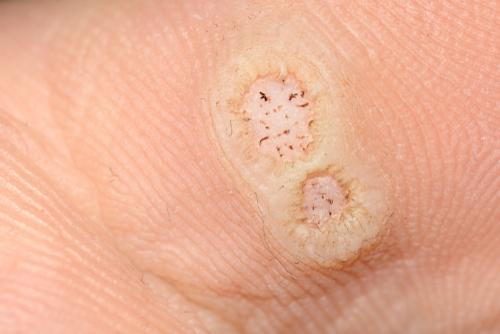
At Prairie Foot and Ankle in Elgin and Park Ridge, IL, we treat plantar warts and help patients reduce the chances of recurrence. These lesions come from HPV exposure on the soles of the feet, and they often return when the virus lingers in skin, spreads to nearby areas, or re-enters through small cracks. A prevention plan works best when it targets the exact reasons plantar warts return.
Why Plantar Warts Often Come Back
Plantar warts can persist below the surface even after the top layers improve. Pressure from walking can push the wart inward, which makes it harder to fully clear. The virus also spreads through tiny breaks in the skin, especially when feet stay moist or when shoes create friction. Shared surfaces like locker rooms and pool decks can also reintroduce HPV, even after successful treatment.
Fix the Conditions That Enable the Virus
HPV spreads more easily when skin stays damp and soft. We recommend keeping feet clean and dry, changing socks daily, and rotating shoes so they fully dry between wears. If you sweat heavily, we can discuss strategies that reduce moisture and skin breakdown. Supportive footwear also protects the sole from micro-trauma, which reduces entry points for infection. Consistent long-term habits matter, just like ongoing prevention helps with other foot problems that tend to recur.
Home Habits That Reduce Reinfection Risk
You can lower the odds of recurrence by limiting exposure and avoiding self-spread. We recommend these practical steps:
- Wear shower sandals in gyms, pools, and locker rooms
- Avoid picking, shaving, or cutting callus over a wart
- Wash hands after touching your feet or applying any wart product
- Keep a separate towel for feet and do not share socks, shoes, or nail tools
- Replace or disinfect pumice stones, files, and shower surfaces regularly
- Cover the area with a bandage if you visit shared wet environments
Do Not Ignore Calluses or Cracks
Callus buildup and heel cracks create weak points where HPV can enter. We evaluate pressure points, footwear fit, and gait mechanics when we see repeated plantar warts in the same location. In many cases, better offloading and skin care reduce friction and protect the skin barrier, which lowers recurrence risk.
When to See Us Instead of Re-Treating at Home
We recommend an in-office visit if the lesion returns repeatedly, spreads, becomes painful, or fails to improve with over-the-counter care. We also want to evaluate any sore that bleeds, changes rapidly, or looks different than a typical wart, since other conditions can mimic plantar warts. Early treatment also limits spread to other areas of your foot and to family members.
Schedule A Plantar Wart Evaluation in Elgin Or Park Ridge, IL
If plantar warts keep coming back or you want a prevention plan that addresses the real cause, we can help. Contact Prairie Foot and Ankle in Elgin and Park Ridge, IL at (224) 227-6973 to schedule an appointment and discuss treatment and recurrence prevention options tailored to your feet.
- posted: Mar. 11, 2026
At Prairie Foot and Ankle in Elgin and Park Ridge, IL, we treat plantar warts and help patients reduce the chances of recurrence. These lesions come from HPV exposure on the soles of the feet, and they often return when the virus lingers in skin, spreads to nearby areas, or re-enters through small cracks. A prevention plan works best when it targets the exact reasons plantar warts return.
Why Plantar Warts Often Come Back
Plantar warts can persist below the surface even after the top layers improve. Pressure from walking can push the wart inward, which makes it harder to fully clear. The virus also spreads through tiny breaks in the skin, especially when feet stay moist or when shoes create friction. Shared surfaces like locker rooms and pool decks can also reintroduce HPV, even after successful treatment.
Fix the Conditions That Enable the Virus
HPV spreads more easily when skin stays damp and soft. We recommend keeping feet clean and dry, changing socks daily, and rotating shoes so they fully dry between wears. If you sweat heavily, we can discuss strategies that reduce moisture and skin breakdown. Supportive footwear also protects the sole from micro-trauma, which reduces entry points for infection. Consistent long-term habits matter, just like ongoing prevention helps with other foot problems that tend to recur.
Home Habits That Reduce Reinfection Risk
You can lower the odds of recurrence by limiting exposure and avoiding self-spread. We recommend these practical steps:
- Wear shower sandals in gyms, pools, and locker rooms
- Avoid picking, shaving, or cutting callus over a wart
- Wash hands after touching your feet or applying any wart product
- Keep a separate towel for feet and do not share socks, shoes, or nail tools
- Replace or disinfect pumice stones, files, and shower surfaces regularly
- Cover the area with a bandage if you visit shared wet environments
Do Not Ignore Calluses or Cracks
Callus buildup and heel cracks create weak points where HPV can enter. We evaluate pressure points, footwear fit, and gait mechanics when we see repeated plantar warts in the same location. In many cases, better offloading and skin care reduce friction and protect the skin barrier, which lowers recurrence risk.
When to See Us Instead of Re-Treating at Home
We recommend an in-office visit if the lesion returns repeatedly, spreads, becomes painful, or fails to improve with over-the-counter care. We also want to evaluate any sore that bleeds, changes rapidly, or looks different than a typical wart, since other conditions can mimic plantar warts. Early treatment also limits spread to other areas of your foot and to family members.
Schedule A Plantar Wart Evaluation in Elgin Or Park Ridge, IL
If plantar warts keep coming back or you want a prevention plan that addresses the real cause, we can help. Contact Prairie Foot and Ankle in Elgin and Park Ridge, IL at (224) 227-6973 to schedule an appointment and discuss treatment and recurrence prevention options tailored to your feet.
Our Location
Find us on the map
