Athlete’s Foot vs. Other Fungal Infections: Key Differences
- posted: Mar. 04, 2026
Itching, redness, and peeling skin on the feet are common complaints, but not every skin irritation is the same. While many people assume any foot fungus is simply athlete’s foot, there are distinct differences between various fungal infections and how they manifest. Misidentifying a fungal infection can lead to months of ineffective home care and worsening symptoms. At Prairie Foot and Ankle, Dr. Supreet Ghuman helps patients in Elgin and Park Ridge, IL, distinguish between these conditions to ensure the correct treatment is applied.
The Characteristics of Athlete’s Foot (Tinea Pedis)
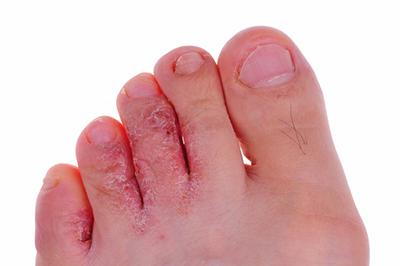
Athlete’s foot is a specific fungal infection caused by dermatophytes that thrive in warm, damp environments like locker rooms and communal showers. It typically presents in three ways. The most common is the interdigital type, which causes scaling and painful cracking between the toes, especially the fourth and fifth digits. The moccasin type involves chronic dryness and thickening of the skin on the soles and heels, often mistaken for simple dry skin. Lastly, the vesicular type causes sudden outbreaks of fluid-filled blisters. If you notice a persistent itch that gets worse when you remove your shoes and socks, this fungus is the likely culprit.
Fungal Nail Infections (Onychomycosis)
While athlete’s foot affects the skin, onychomycosis invades the nail bed and the nail plate itself. Often, an untreated case of skin fungus will migrate under the toenail. Unlike the peeling skin of the foot, a nail infection causes the keratin to become thick, brittle, and yellowed. The nail may lift away from the skin or crumble at the edges. Because the nail provides a hard protective barrier for the fungus, topical creams used for the skin rarely work for the nails. Dr. Ghuman provides specialized treatments in our Elgin and Park Ridge, IL, offices to reach the fungus living beneath the nail plate.
Ringworm and Secondary Yeast Infections
Tinea corporis, or ringworm, is caused by the same type of fungus as athlete’s foot but appears on the flatter surfaces of the body. It is characterized by a red, circular rash with a clearer center, resembling a ring. Additionally, some patients develop cutaneous candidiasis, a yeast infection. While dermatophytes "eat" the dead keratin of your skin, yeast tends to thrive in skin folds where there is excessive moisture, such as around the ankles or in cases of severe swelling. Yeast infections often look "beefy red" and may have small satellite lesions around the main area of irritation.
Clinical Treatment and Prevention
Treating a fungal infection requires more than just an over-the-counter spray. At Prairie Foot and Ankle, we examine the skin and may perform a small scraping to identify the exact fungal strain. Treatment often involves prescription-strength antifungals and strategies to manage foot moisture, such as using moisture-wicking socks and rotating your footwear. Preventing recurrence is vital, as fungal spores can live in your shoes for long periods.
Expert Podiatric Care in Elgin and Park Ridge
If you are struggling with a persistent rash or discolored nails, do not wait for the infection to spread. Dr. Supreet Ghuman and our team are here to provide a clear diagnosis and an effective recovery plan. Contact us today at our Elgin or Park Ridge, IL, office by calling (224) 227-6973.
- posted: Mar. 04, 2026
Itching, redness, and peeling skin on the feet are common complaints, but not every skin irritation is the same. While many people assume any foot fungus is simply athlete’s foot, there are distinct differences between various fungal infections and how they manifest. Misidentifying a fungal infection can lead to months of ineffective home care and worsening symptoms. At Prairie Foot and Ankle, Dr. Supreet Ghuman helps patients in Elgin and Park Ridge, IL, distinguish between these conditions to ensure the correct treatment is applied.
The Characteristics of Athlete’s Foot (Tinea Pedis)
Athlete’s foot is a specific fungal infection caused by dermatophytes that thrive in warm, damp environments like locker rooms and communal showers. It typically presents in three ways. The most common is the interdigital type, which causes scaling and painful cracking between the toes, especially the fourth and fifth digits. The moccasin type involves chronic dryness and thickening of the skin on the soles and heels, often mistaken for simple dry skin. Lastly, the vesicular type causes sudden outbreaks of fluid-filled blisters. If you notice a persistent itch that gets worse when you remove your shoes and socks, this fungus is the likely culprit.
Fungal Nail Infections (Onychomycosis)
While athlete’s foot affects the skin, onychomycosis invades the nail bed and the nail plate itself. Often, an untreated case of skin fungus will migrate under the toenail. Unlike the peeling skin of the foot, a nail infection causes the keratin to become thick, brittle, and yellowed. The nail may lift away from the skin or crumble at the edges. Because the nail provides a hard protective barrier for the fungus, topical creams used for the skin rarely work for the nails. Dr. Ghuman provides specialized treatments in our Elgin and Park Ridge, IL, offices to reach the fungus living beneath the nail plate.
Ringworm and Secondary Yeast Infections
Tinea corporis, or ringworm, is caused by the same type of fungus as athlete’s foot but appears on the flatter surfaces of the body. It is characterized by a red, circular rash with a clearer center, resembling a ring. Additionally, some patients develop cutaneous candidiasis, a yeast infection. While dermatophytes "eat" the dead keratin of your skin, yeast tends to thrive in skin folds where there is excessive moisture, such as around the ankles or in cases of severe swelling. Yeast infections often look "beefy red" and may have small satellite lesions around the main area of irritation.
Clinical Treatment and Prevention
Treating a fungal infection requires more than just an over-the-counter spray. At Prairie Foot and Ankle, we examine the skin and may perform a small scraping to identify the exact fungal strain. Treatment often involves prescription-strength antifungals and strategies to manage foot moisture, such as using moisture-wicking socks and rotating your footwear. Preventing recurrence is vital, as fungal spores can live in your shoes for long periods.
Expert Podiatric Care in Elgin and Park Ridge
If you are struggling with a persistent rash or discolored nails, do not wait for the infection to spread. Dr. Supreet Ghuman and our team are here to provide a clear diagnosis and an effective recovery plan. Contact us today at our Elgin or Park Ridge, IL, office by calling (224) 227-6973.
Our Location
Find us on the map
