Diabetic Foot Care: Why Routine Exams Matter
- posted: Feb. 04, 2026
Diabetes affects many systems in the body, but the feet are especially vulnerable to complications. Reduced circulation and nerve damage can make it harder to notice injuries and slower for wounds to heal. At Prairie Foot and Ankle, Dr. Supreet Ghuman provides comprehensive diabetic foot care for patients in Elgin, Chicago, and Park Ridge, IL, with a focus on prevention, early detection, and long-term foot health.
Why Diabetes Increases Foot Health Risks
Diabetes can impair blood flow and damage nerves, a condition known as peripheral neuropathy. When sensation is reduced, small injuries such as blisters, cuts, or pressure points may go unnoticed. At the same time, poor circulation limits the body’s ability to heal, increasing the risk of infection, ulcers, and more serious complications. Routine diabetic foot exams help identify these risks before they progress.
The Role of Routine Diabetic Foot Exams
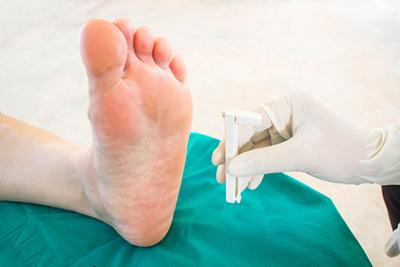
Regular foot exams allow a podiatrist to assess circulation, nerve function, skin integrity, and foot structure. During these visits, Dr. Ghuman looks for early warning signs such as calluses, pressure areas, skin breakdown, nail problems, or changes in foot shape. Identifying these issues early makes it possible to intervene with conservative care and avoid complications that could threaten mobility.
Preventing Foot Ulcers and Infections
Foot ulcers are one of the most serious complications of diabetes and often begin with minor skin breakdown. Routine exams help prevent ulcers by addressing pressure points, recommending protective footwear, and managing calluses or nail issues safely. When a problem is caught early, treatment is more effective, and recovery is typically faster.
Personalized Care for Long-Term Foot Health
Diabetic foot care is not one-size-fits-all. Each patient’s risk factors, lifestyle, and medical history play a role in foot health. At Prairie Foot and Ankle, care plans may include regular monitoring, footwear guidance, custom orthotics, nail care, and education on daily foot inspections. This personalized approach helps patients stay active while reducing the risk of avoidable complications.
Protecting Your Mobility and Independence
Routine diabetic foot exams are a critical part of maintaining independence and quality of life. Preventive care reduces the likelihood of infections, hospitalizations, and more invasive treatments. By staying proactive, patients can protect their feet and continue moving comfortably and confidently.
If you have diabetes, regular foot care should be part of your overall health plan. To schedule a diabetic foot exam with Dr. Supreet Ghuman at Prairie Foot and Ankle in Elgin or Park Ridge, IL, call (224) 227-6973 today.
- posted: Feb. 04, 2026
Diabetes affects many systems in the body, but the feet are especially vulnerable to complications. Reduced circulation and nerve damage can make it harder to notice injuries and slower for wounds to heal. At Prairie Foot and Ankle, Dr. Supreet Ghuman provides comprehensive diabetic foot care for patients in Elgin, Chicago, and Park Ridge, IL, with a focus on prevention, early detection, and long-term foot health.
Why Diabetes Increases Foot Health Risks
Diabetes can impair blood flow and damage nerves, a condition known as peripheral neuropathy. When sensation is reduced, small injuries such as blisters, cuts, or pressure points may go unnoticed. At the same time, poor circulation limits the body’s ability to heal, increasing the risk of infection, ulcers, and more serious complications. Routine diabetic foot exams help identify these risks before they progress.
The Role of Routine Diabetic Foot Exams
Regular foot exams allow a podiatrist to assess circulation, nerve function, skin integrity, and foot structure. During these visits, Dr. Ghuman looks for early warning signs such as calluses, pressure areas, skin breakdown, nail problems, or changes in foot shape. Identifying these issues early makes it possible to intervene with conservative care and avoid complications that could threaten mobility.
Preventing Foot Ulcers and Infections
Foot ulcers are one of the most serious complications of diabetes and often begin with minor skin breakdown. Routine exams help prevent ulcers by addressing pressure points, recommending protective footwear, and managing calluses or nail issues safely. When a problem is caught early, treatment is more effective, and recovery is typically faster.
Personalized Care for Long-Term Foot Health
Diabetic foot care is not one-size-fits-all. Each patient’s risk factors, lifestyle, and medical history play a role in foot health. At Prairie Foot and Ankle, care plans may include regular monitoring, footwear guidance, custom orthotics, nail care, and education on daily foot inspections. This personalized approach helps patients stay active while reducing the risk of avoidable complications.
Protecting Your Mobility and Independence
Routine diabetic foot exams are a critical part of maintaining independence and quality of life. Preventive care reduces the likelihood of infections, hospitalizations, and more invasive treatments. By staying proactive, patients can protect their feet and continue moving comfortably and confidently.
If you have diabetes, regular foot care should be part of your overall health plan. To schedule a diabetic foot exam with Dr. Supreet Ghuman at Prairie Foot and Ankle in Elgin or Park Ridge, IL, call (224) 227-6973 today.
Our Location
Find us on the map
