Is Callus Removal Safe? What Podiatrists Want You to Know
- posted: Aug. 01, 2025
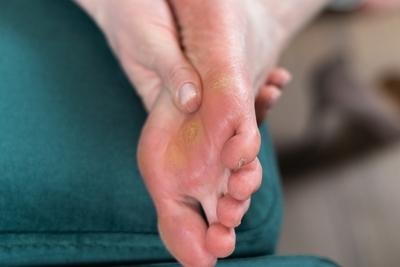
Calluses may seem like a trivial foot issue, but they can quickly become uncomfortable or even lead to more serious problems if not managed properly. At Prairie Foot and Ankle, with locations in Elgin and Park Ridge, Illinois, Dr. Supreet Ghuman, D.P.M., helps patients understand the safest and most effective ways to treat calluses. While drugstore remedies and at-home tools might seem convenient, there are important reasons to think twice before trying to remove calluses on your own.
What Causes Calluses To Form
Calluses develop when the skin thickens in response to pressure or friction. Most often, they form on the heels, balls of the feet, or along the sides of the toes. Ill-fitting shoes, high activity levels, or foot deformities like bunions or hammertoes can all contribute. While they’re not always painful at first, calluses can crack, become inflamed, or press on nerves if left untreated.
Why DIY Removal Can Be Risky
It’s tempting to try to shave or peel off a callus at home, but doing so can lead to injury or infection, especially for people with diabetes, circulation issues, or sensitive skin. Over-the-counter callus removers that contain strong acids can damage healthy tissue if not used carefully. Even tools like pumice stones or foot files can cause more harm than good if used too aggressively or too often.
When To See A Podiatrist
If your callus is painful, keeps coming back, or seems to be changing in appearance, it’s a good idea to schedule an evaluation. Dr. Ghuman of Elgin and Park Ridge can determine whether the callus is related to a different foot issue, such as abnormal gait or bone structure. She’ll also assess your skin health and recommend safe, effective treatment options that go beyond surface-level care.
Safe And Professional Callus Treatment
Prairie Foot and Ankle provides different callus removal techniques depending on each patient’s needs. In-office debridement can gently remove thickened skin without causing damage or discomfort. If there’s a problem causing the callus to return, such as poor shoe fit or a structural imbalance, your podiatrist can suggest long-term solutions like orthotics or footwear changes.
For patients with chronic calluses, regular visits may help prevent complications before they start. This is especially important for people with diabetes, who may not feel pain from developing sores and are at higher risk for infections.
Protect Your Feet With The Right Care
While calluses are common, they’re not something you have to live with, nor should you risk removing them on your own. At Prairie Foot and Ankle in Elgin and Park Ridge, Illinois, Dr. Supreet Ghuman offers skilled, attentive care to help patients stay comfortable and active. If you’re dealing with stubborn or painful calluses, schedule an appointment with us by calling (224) 227-6973.
- posted: Aug. 01, 2025
Calluses may seem like a trivial foot issue, but they can quickly become uncomfortable or even lead to more serious problems if not managed properly. At Prairie Foot and Ankle, with locations in Elgin and Park Ridge, Illinois, Dr. Supreet Ghuman, D.P.M., helps patients understand the safest and most effective ways to treat calluses. While drugstore remedies and at-home tools might seem convenient, there are important reasons to think twice before trying to remove calluses on your own.
What Causes Calluses To Form
Calluses develop when the skin thickens in response to pressure or friction. Most often, they form on the heels, balls of the feet, or along the sides of the toes. Ill-fitting shoes, high activity levels, or foot deformities like bunions or hammertoes can all contribute. While they’re not always painful at first, calluses can crack, become inflamed, or press on nerves if left untreated.
Why DIY Removal Can Be Risky
It’s tempting to try to shave or peel off a callus at home, but doing so can lead to injury or infection, especially for people with diabetes, circulation issues, or sensitive skin. Over-the-counter callus removers that contain strong acids can damage healthy tissue if not used carefully. Even tools like pumice stones or foot files can cause more harm than good if used too aggressively or too often.
When To See A Podiatrist
If your callus is painful, keeps coming back, or seems to be changing in appearance, it’s a good idea to schedule an evaluation. Dr. Ghuman of Elgin and Park Ridge can determine whether the callus is related to a different foot issue, such as abnormal gait or bone structure. She’ll also assess your skin health and recommend safe, effective treatment options that go beyond surface-level care.
Safe And Professional Callus Treatment
Prairie Foot and Ankle provides different callus removal techniques depending on each patient’s needs. In-office debridement can gently remove thickened skin without causing damage or discomfort. If there’s a problem causing the callus to return, such as poor shoe fit or a structural imbalance, your podiatrist can suggest long-term solutions like orthotics or footwear changes.
For patients with chronic calluses, regular visits may help prevent complications before they start. This is especially important for people with diabetes, who may not feel pain from developing sores and are at higher risk for infections.
Protect Your Feet With The Right Care
While calluses are common, they’re not something you have to live with, nor should you risk removing them on your own. At Prairie Foot and Ankle in Elgin and Park Ridge, Illinois, Dr. Supreet Ghuman offers skilled, attentive care to help patients stay comfortable and active. If you’re dealing with stubborn or painful calluses, schedule an appointment with us by calling (224) 227-6973.
Our Location
Find us on the map
